Multani Mitti for Tan Removal: Complete Guide, Benefits & Best Practices
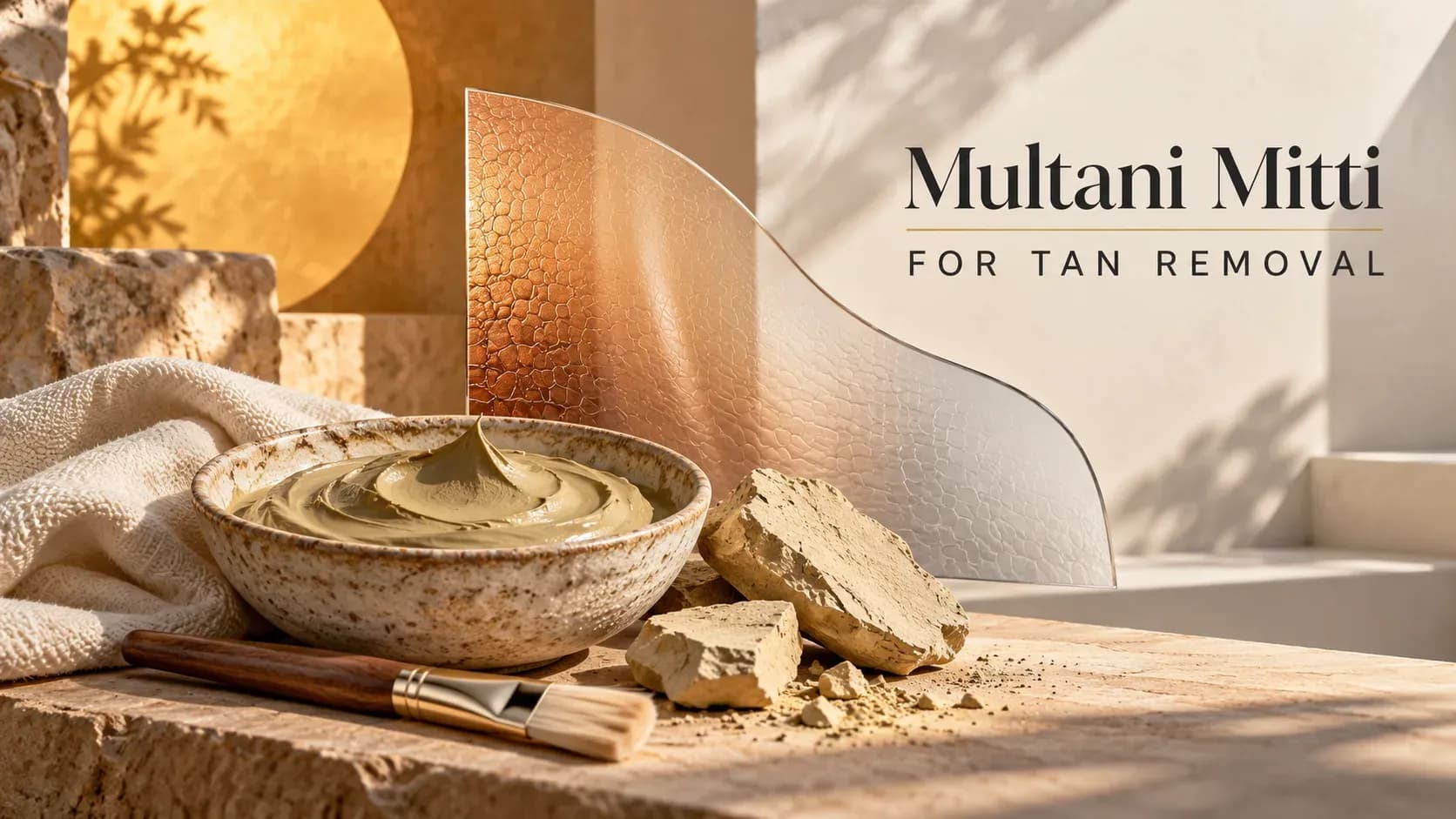
Quick Answer:
Multani mitti for tan removal is one of the most effective, affordable, and widely used natural remedies for sun-tanned skin. It works by absorbing excess oil, drawing out impurities, and gently exfoliating the layer of melanin-rich dead skin cells that form after UV exposure. Most people notice a visible reduction in tan within 2–4 weeks of consistent use.
What Is Multani Mitti For Tan Removal?
Multani mitti: also known as Fuller's Earth: is a naturally occurring mineral-rich clay that has been used in South Asian skincare for centuries. The name comes from the city of Multan (in present-day Pakistan), where the clay was first commercially mined.
When used specifically for tan removal, multani mitti works as a:
- Mild physical exfoliant that sloughs away dead, pigmented skin cells
- Oil absorber that controls sebum, which can trap pigmentation
- Skin-brightening agent that supports a more even skin tone over consistent use
According to Clear Ritual's skincare formulation team, multani mitti's high silica and magnesium oxide content makes it particularly effective at lightening surface-level tan caused by melanin accumulation in the upper epidermis.
Is multani mitti good for tan removal? Yes: it can be effective for surface tan reduction. It does not bleach the skin; instead, it supports the skin's natural cell turnover process to reveal fresher, lighter skin underneath.
How Multani Mitti For Tan Removal Works: The Complete Breakdown
Multani mitti for tan removal works because of its unique mineral composition and physical properties, not through any chemical bleaching action.
Here is the step-by-step mechanism:
Mineral clay binds to dead skin cells. Multani mitti carries a mild negative ionic charge that attracts positively charged dead skin cells and environmental pollutants sitting on the skin surface.
Adsorption removes surface pigmentation. The clay adsorbs (binds to its surface) excess melanin-containing dead cells, which form the visible tan layer after sun exposure.
Exfoliation occurs during removal. As the dried pack is rinsed off, it gently lifts the uppermost layer of keratinised, tanned cells: a process similar to mild mechanical exfoliation.
Oil control prevents re-darkening. Excess sebum can trap pollution and UV-induced pigment on the skin. Multani mitti absorbs this sebum, reducing the surface environment that causes tan to "set in."
Improved circulation supports cell renewal. The mild drawing action of the clay mask may stimulate blood flow to the skin surface, supporting faster epidermal cell turnover.
Common misconception: Many people believe multani mitti lightens skin permanently. In reality, multani mitti supports the removal of existing surface tan. Continued sun exposure without sun protection will cause tan to return. Consistent use: typically 2–3 times per week: is needed to see sustained results.
Key Benefits of Multani Mitti For Tan Removal: What You Actually Gain
Multani mitti benefits for tan removal span both immediate and long-term improvements in skin appearance and texture.
Short-Term Benefits (within 1–2 weeks):
- Visibly cleaner, brighter skin tone after the first 2–3 uses
- Reduced surface oiliness, which helps tan appear less intense
- Smoother skin texture due to gentle exfoliation
- Tightened pores, particularly on the nose, cheeks, and chin
Long-Term Benefits (4–8 weeks of consistent use):
- Progressive lightening of sun tan on the face, arms, and neck
- More even skin tone as pigmented dead cells are regularly cleared
- Improved skin clarity, particularly in oily and combination skin types
- Reduced appearance of post-tan dark spots over time
| Benefit | Mechanism | Typical Onset |
|---|---|---|
| Tan lightening | Exfoliation of pigmented cells | 2–4 weeks |
| Oil control | Clay absorbs sebum | After 1st use |
| Pore tightening | Astringent mineral action | After 2–3 uses |
| Brighter tone | Cell turnover support | 3–6 weeks |
| Reduced dark spots | Consistent exfoliation | 6–8 weeks |
Clear Ritual's dermatology-aligned team notes that multani mitti is most effective when combined with hydrating ingredients that offset its drying effect: especially for users with normal-to-dry skin.
Types of Multani Mitti Face Packs For Tan Removal: Which Is Right For You?
Different multani mitti face pack formulations suit different skin types and tan concerns. The base ingredient (multani mitti) stays the same; what changes is what you add to it.
What to Add in Multani Mitti For Tan Removal: By Skin Type
| Skin Type | Recommended Add-In | Why It Works |
|---|---|---|
| Oily skin | Rose water or plain water | Controls excess oil; mild brightening |
| Dry skin | Milk or yoghurt + honey | Hydrates while clay exfoliates |
| Sensitive skin | Cucumber juice + aloe vera | Soothes irritation; reduces redness |
| Combination skin | Rose water + sandalwood powder | Balances oily and dry zones |
| Normal skin | Rose water alone | Simple hydration without overload |
Multani Mitti Face Pack For Tan Removal on Specific Concerns
- For dark spots after tan: Avoid lemon juice in face packs because it may irritate skin and trigger reactions after sun exposure.
- For body tan removal: Multani mitti for body tan removal can be mixed with besan (chickpea flour) and raw milk for a thicker, more spreadable consistency suited for larger areas like arms, legs, and the back.
- For face-focused brightening: A multani mitti face pack for tan removal at home using rose water and sandalwood powder is one of the most widely recommended combinations for facial tan.
How to Use Multani Mitti For Tan Removal: Step-by-Step Guide
What you need: 2 tablespoons multani mitti powder, rose water (or another liquid base), a mixing bowl, a brush or spoon, and clean water for rinsing.
Cleanse your skin first. Wash your face or the target area with a gentle cleanser. Pat dry. Starting on clean skin ensures the pack makes direct contact with the skin surface.
Mix the pack to a paste. Combine 2 tablespoons of multani mitti with enough rose water (or your chosen liquid) to form a smooth, lump-free paste. It should be thick enough to spread without dripping.
Apply in an even layer. Use a brush or clean fingers to apply the multani mitti pack for tan removal evenly across the tanned area. Avoid the area immediately around the eyes.
Leave on for 15–20 minutes. Do not leave the pack on until it is completely bone-dry and cracking: this may cause micro-irritation. Remove when the pack is just set but still slightly flexible at the edges.
Rinse with lukewarm water. Use gentle circular motions during rinsing to enhance the exfoliation effect. Avoid hot water, which can strip the skin barrier.
Moisturise immediately after. Multani mitti is a drying clay. Always follow with a lightweight, non-comedogenic moisturiser to restore the skin barrier.
Apply sunscreen during the day. Freshly exfoliated skin is more photosensitive. Apply a broad-spectrum SPF 30+ sunscreen before going outdoors to prevent re-tanning.
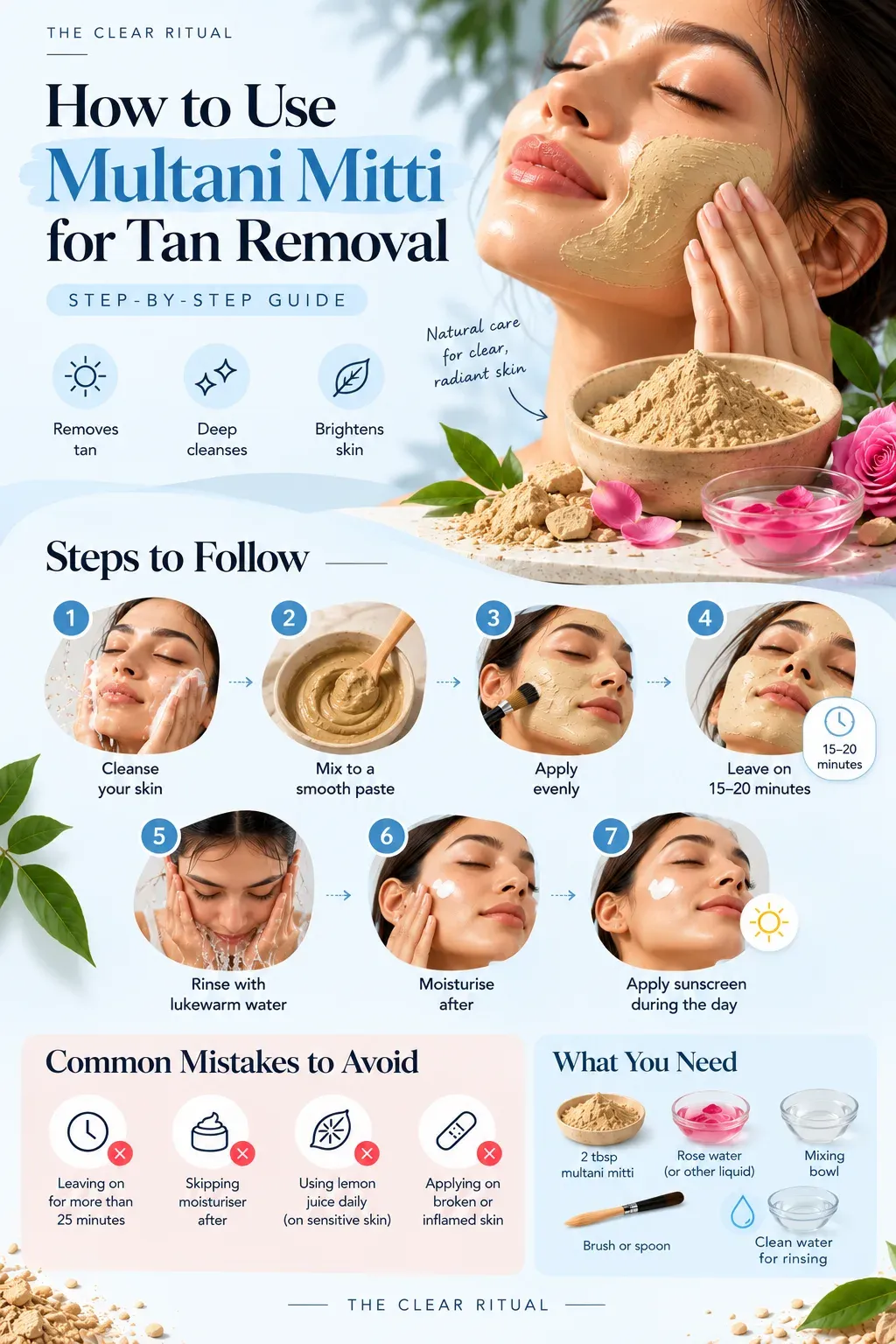
Common Mistakes to Avoid:
- Leaving the pack on for more than 25 minutes: this can cause dryness and irritation
- Skipping moisturiser after: dry skin can look more dull, undoing brightening effects
- Using lemon juice daily on sensitive skin: limit to 2x per week maximum
- Applying on broken, sunburned, or actively inflamed skin
Multani Mitti For Tan Removal vs. Alternatives: An Honest Comparison
| Method | How It Works | Skin Types | Results Timeline | Risk Level |
|---|---|---|---|---|
| Multani mitti | Mineral exfoliation + oil absorption | Oily, combination, normal | 2–4 weeks | Low |
| Chemical exfoliants (AHAs/BHAs) | Dissolves dead cell bonds | Most types | 1–3 weeks | Moderate |
| Kojic acid creams | Inhibits melanin enzyme | All types | 4–8 weeks | Low–Moderate |
| De-tan facials (salon) | Enzyme/chemical peeling | All types | 1–2 sessions | Low–Moderate |
| Vitamin C serums | Antioxidant + melanin inhibition | All types | 4–12 weeks | Low |
Clear Ritual's assessment: Multani mitti for tan removal is best suited for users who prefer a natural, at-home approach without active chemical ingredients. It is gentler than AHA/BHA exfoliants and significantly more affordable than salon de-tan treatments. However, for stubborn or deep-set tan, a combination approach: multani mitti for surface exfoliation plus suitable ingredients for hyperpigmentation, such as vitamin C, may help with uneven pigmentation.
What Results Can You Expect From Multani Mitti For Tan Removal and When?
Results from multani mitti for tan removal vary depending on skin tone, the depth of the tan, frequency of use, and whether sun protection is used consistently.
| Timeframe | Expected Outcome |
|---|---|
| Week 1–2 | Skin feels cleaner; surface oiliness reduces; mild brightening may appear |
| Week 3–4 | Visible lightening of recent tan; skin tone appears more even |
| Week 6–8 | Progressive fading of older or deeper tan; smoother texture |
| Week 8+ | Sustained improvement if paired with daily SPF and consistent use |
Factors that affect results:
- Sun exposure: Continued unprotected sun exposure will re-trigger melanin production and counteract results
- Skin type: Oily skin tends to respond faster; dry skin may need additional hydrating ingredients
- Frequency of use: 2–3 times per week is the clinically observed optimal frequency for most users
- Tan severity: Surface tan from occasional sun exposure responds faster than long-term or deeply set pigmentation
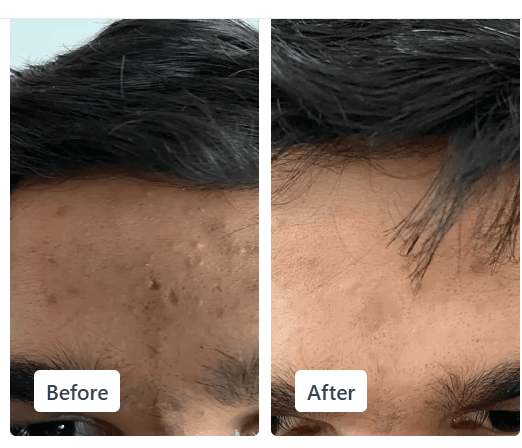
According to Clear Ritual's team, most users with mild-to-moderate sun tan report visible improvement within 3–4 weeks when using a multani mitti face pack for tan removal 3 times per week and applying SPF daily.
Is Multani Mitti For Tan Removal Right For You?
| ✅ Ideal For | ❌ Not Ideal For |
|---|---|
| Oily and combination skin types | Extremely dry or dehydrated skin (without hydrating add-ins) |
| Surface-level, recent sun tan | Deep or chronic hyperpigmentation |
| Users preferring natural, chemical-free skincare | Active acne, rosacea, or eczema flare-ups |
| At-home, budget-conscious skincare | Individuals needing rapid results (within days) |
| Body tan removal on arms, neck, back | Broken, sunburned, or raw skin |
| Normal skin maintaining an even tone | Those seeking permanent skin lightening |
Can you use multani mitti for tan removal daily? Generally, no. Daily use may over-dry the skin and disrupt its moisture barrier, leading to irritation. Two to three times per week is the recommended frequency for most skin types.
Multani Mitti For Tan Removal Best Practices: Expert Tips
Clear Ritual's skincare advisory team recommends the following practices for best results:
Always do a patch test first. Apply a small amount of the mixed pack on your inner wrist or behind the ear. Wait 24 hours before applying to the face or larger areas.
Use rose water, not plain water, as your liquid base. Rose water has mild anti-inflammatory properties and helps balance the drying effect of multani mitti.
Never apply on sunburned skin. Sun-damaged skin is already compromised. Wait until any active redness, peeling, or heat from sunburn has fully resolved.
Refrigerate your rose water before mixing. A cool pack can soothe UV-stressed skin more effectively than one made at room temperature.
Pair with daily SPF. The single most important step to prevent re-tanning is consistent broad-spectrum sunscreen use. Multani mitti removes existing tan; SPF prevents new tan from forming.
Use a hydrating toner after rinsing. A glycerin-based or aloe vera toner applied immediately after rinsing the pack helps lock in moisture before your moisturiser.
Track usage frequency. Use the pack 2–3 times per week maximum. Overcrowding the skin with clay treatments can cause dryness, redness, and sensitivity over time.
Mix fresh each time. Do not store prepared multani mitti paste. Mix a fresh batch before every use to avoid bacterial growth and maintain ingredient potency.
Research & Evidence: What the Data Says About Multani Mitti For Tan Removal
Multani mitti (Fuller's Earth) has been the subject of mineralogical and dermatological research that supports its skincare use.
Mineral composition studies show that Fuller's Earth contains silica (45–55%), aluminium oxide, iron oxide, and magnesium oxide. These minerals contribute to its high adsorptive capacity: the ability to bind substances to its surface.
A study published in the Journal of Cosmetic Dermatology noted that clay-based masks can reduce surface sebum by up to 41% after a single 20-minute application, creating a cleaner surface for skin renewal.
Exfoliation and cell turnover research indicates that physical exfoliation 2–3 times per week can accelerate skin cell turnover in the stratum corneum, where melanin-rich tan cells reside.
Limitations of current research: Most available evidence on multani mitti specifically is observational or ethnobotanical. Randomised controlled trials directly measuring its tan removal efficacy are limited. Results vary across individuals and skin types.
Clear Ritual acknowledges that while traditional use and mineral science support multani mitti for tan removal, it should be considered a complementary approach: not a standalone treatment for significant or clinical pigmentation conditions.
Frequently Asked Questions About Multani Mitti For Tan Removal
Q. Can I use multani mitti for tan removal every day?
A. Daily use is not recommended. Multani mitti is a drying clay, and applying it daily can disrupt the skin's natural moisture barrier, leading to dryness, tightness, and irritation. Start with once a week and avoid frequent use if your skin becomes dry or irritated.
Q. How long does multani mitti take to show results for tan removal?
A. There is no established clinical timeline for tan removal with multani mitti. Skin tone changes depend on sun exposure and individual skin response. Daily broad-spectrum sunscreen is more important for preventing additional tanning.
Q. Can multani mitti help fade dark spots after tanning?
A. There is limited evidence that multani mitti fades dark spots. For persistent pigmentation, consistent sun protection and appropriately formulated treatments are more reliable.
Q. What are the ingredients in multani mitti powder?
A. Multani mitti is composed primarily of silica (45–55%), aluminium oxide, iron oxide, and magnesium oxide. Some sources also note trace amounts of calcium and lime. These minerals give it its characteristic oil-absorbing and skin-smoothing properties.
Q. What are the disadvantages of multani mitti?
A. The main disadvantages include: excessive dryness if used too frequently, potential irritation on sensitive or dry skin without hydrating add-ins, and the fact that it only addresses surface-level tan: not deep or chronic pigmentation. It also has no SPF protection, so sun exposure can rapidly reverse its effects.
Q. How to use multani mitti for whitening or brightening?
A. Mix 2 tablespoons of multani mitti with rose water or milk to form a paste. Apply to cleansed skin, leave for 15–20 minutes, rinse with lukewarm water, and moisturise. Avoid adding lemon juice, which can irritate skin and cause reactions in sunlight.
Understand What Your Skin Needs
Take the Clear Ritual Skin Test to identify your skin type, concerns, and potential triggers before building your routine.
Take the Free Skin Test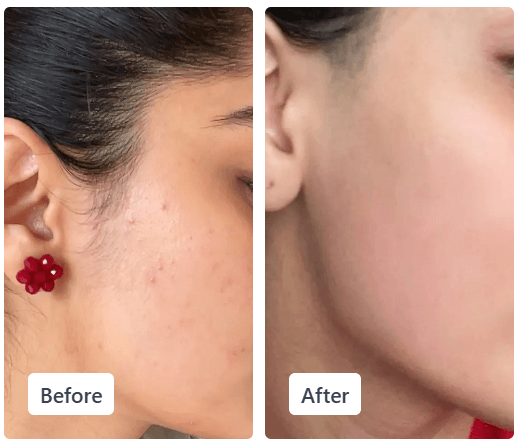
Disclaimer: This article is for general educational purposes and does not replace personalised medical advice. Consult a qualified healthcare professional for persistent pigmentation, irritation, or other skin concerns.
Editorial Standards
Clear Ritual has Strict sourcing guidelines to ensure our content is accurate and current. We rely on peer-reviewed studies, academic research institutions, and medical associations. We strive to use primary sources and refrain from using tertiary references. See a mistake? Learn More about our Editorial Standards.
Related Articles
Acne Pigmentation: Why Dark Marks Stay and How to Fade Them
Published 10 August 2026

Acne Scars vs Post-Inflammatory Hyperpigmentation: Explained
Published 17 July 2026
How to Remove Pigmentation from Face Permanently: A Complete Guide
Published 21 September 2026
Hyperpigmentation Treatments: Best Options And Procedures
Published 1 September 2026