How to Remove Tan From Face and Body: Safe Methods and Home Care
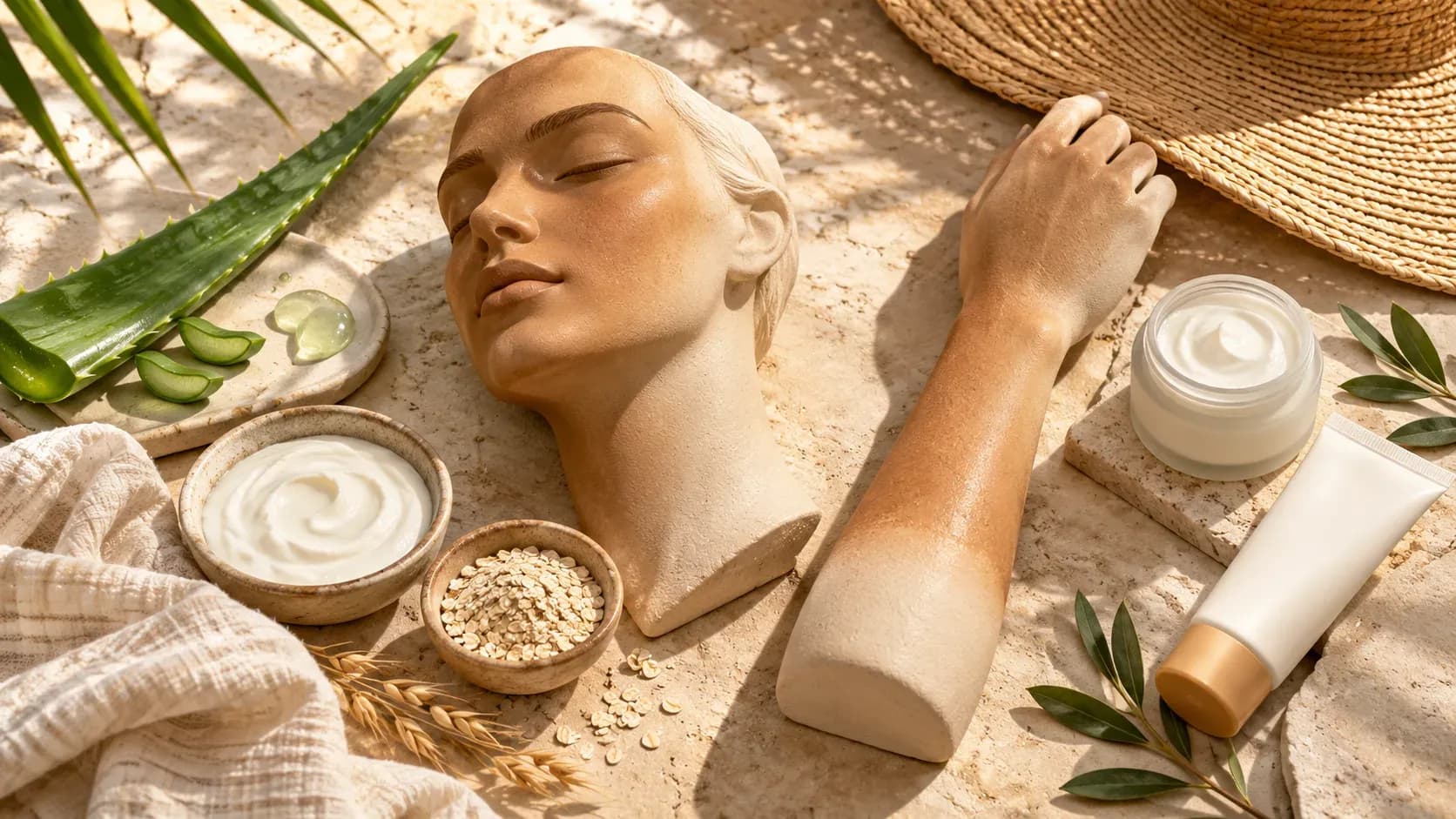
Quick Answer: Your skin produces more melanin in response to ultraviolet (UV) exposure from the sun or artificial beds. While a tan may fade naturally as your skin renews itself, repeated sun exposure can keep the pigmentation going. Removing a suntan requires time and gentle cell turnover, as no safe method works overnight (typically requiring 2 to 4 weeks of consistent care for a light-to-moderate tan).
For a deep tan, it may take a full natural skin turnover cycle of about 1 to 3 months. Using harsh scrubs, physical exfoliators or strong DIY remedies to help your skin return to its natural tone will do more harm than good. Rather, a consistent routine with broad-spectrum sun protection, gentle skin care, and suitable ingredients can help the tan fade gradually.
What Is a Tan and What Causes Skin Tanning?
A tan is your skin's response to UV radiation. When your skin is exposed to UV rays, it increases melanin production. This pigment helps absorb some of the radiation and makes the skin look darker. Both UVA and UVB are ultraviolet rays that can contribute to tanning, while UVB is particularly effective at triggering new melanin production.
You may notice tanning more clearly on areas regularly exposed to the sun, such as your face, forehead, neck, arms, and hands. A tan is not permanent. As pigmented skin cells naturally shed and are replaced, the darker appearance can gradually become less noticeable. However, continued sun exposure can maintain or deepen pigmentation.
Is It Possible to Remove a Tan Completely?
Yes, in most cases, with the right tan removal methods. You cannot instantly remove a tan, and you do not need to strip off your skin to get rid of it.
You need a routine based on your skin type, the sun damage caused, and where you live. Your environment, pollutants you’re exposed to, how much time you spend outdoors, and more all matter when it comes to removing tan.
Reducing continued UV exposure allows the excess pigmentation to fade over time. If the pigmentation is deeper or due to another condition, such as melasma or post-inflammatory hyperpigmentation, it may need a dermatologist-guided approach.
How to Remove Tan Safely
The safest approach is to focus on preventing further tanning while supporting your skin's natural renewal. Try these simple techniques to remove tan safely:
Use broad-spectrum sunscreen: Choose sunscreen with SPF 30 or higher and apply it to exposed skin 15 to 30 minutes before sun exposure. Reapply every two hours when outdoors and after swimming or sweating.
Cover exposed skin:Wearing hats, sunglasses, long sleeves, and other sun-protective clothing can reduce direct UV exposure.
Keep your routine gentle: Irritation can contribute to darker pigmentation, so avoid using products that burn or sting your skin. Do not use active ingredients that may make your skin sensitive to the sun without speaking with your dermatologist.
Consider targeted ingredients: Ingredients such as vitamin C, azelaic acid, glycolic acid, kojic acid, lactic acid, and retinoids may help improve uneven pigmentation. Leaving skin unprotected when using a strong active ingredient can cause sunburn, damage, and worsen pigmentation.
Be patient with the process:Fading takes time. Trying several strong products at once can irritate your skin and make pigmentation harder to manage. Do not layer multiple active ingredients in a single routine.
Following the routine mentioned above can help you fade tan with consistent use. However, if you wish to remove tan from a particular area, here are some evidence-based techniques that may help:
How to Remove Tan From Face
Facial skin can be more sensitive than body skin. Instead of aggressive scrubbing or frequent exfoliation, try the following:
AHA/BHA exfoliating serums:Alpha hydroxy acids or beta-hydroxy acids help fade tan, acne marks, and clear clogged or textured skin. Skip this if you have sensitive skin and ask your dermatologist for alternatives.
Mild exfoliators: Choose products that have calming ingredients, as advised by your dermatologist. Mild exfoliators, like lactic acid or PHAs (Polyhydroxy acids are gentler than AHAs), suit sensitive skin better. They may also help with dullness, early signs of ageing, and a light tan.
Keep your skincare routine simple with a mild, fragrance-free cleanser, non-comedogenic moisturiser, and broad-spectrum sunscreen. If your skin becomes irritated, stop using the new product and simplify your routine. Irritation itself can contribute to dark spots and slow tan fading.
How to Remove Tan From Forehead
Apply sunscreen across your entire face, including the forehead and hairline. Wear a hat outdoors for extra protection.
Follow the product instructions carefully when using exfoliating acids, as they can increase the skin's sensitivity to UV radiation, making sun protection particularly important.
How to Remove Tan From Neck
You can also use the same gentle skincare products you tolerate on your face, as long as they're suitable for the neck. Do not miss the back of your neck.
If the pigmentation on your neck is persistent, thickened or looks different from a simple tan, consult a dermatologist rather than assuming it is sun tanning.
How to Remove Tan From Arms
For arm tanning, focus on regular sunscreen use and physical protection, an exfoliating body wash, or a brightening or exfoliating body lotion.
Apply sunscreen to exposed arms before going outdoors and reapply when needed. Long sleeves or sun-protection jackets can provide extra protection, especially if you spend several hours outside.
Note: A gentle body exfoliant may help remove some surface dead skin cells, but more exfoliation does not mean faster tan removal. Stop if your skin becomes dry, red or irritated.
How to Remove Tan From Hands
Remember to apply sunscreen to the backs of your hands and fingers every day. Reapply after washing your hands frequently or spending time outdoors.
Protective clothing, like gloves or jackets that cover your hands, can help protect them. Use a moisturiser or hand cream regularly to prevent dryness.
How to Remove Tan From Body
To remove body tan, cleanse gently, moisturise regularly, and protect exposed areas from the sun. Avoid combining several exfoliating products or scrubbing your skin aggressively.
If you want to use physical scrubs to remove tan from your body, opt for clinically tested scrubs that offer the benefits of both physical and chemical exfoliation. Don't use them more than once a week unless your dermatologist tells you to.
How to Remove Tan at Home
A simple skincare routine can help fade a tan at home without complicated remedies.
Your morning routine should include a gentle cleanser, moisturiser, and broad-spectrum SPF 30+ sunscreen.
For your evening routine, double-cleanse (oil-based cleanser followed by a water-based cleanser), use a targeted skincare product if suitable, and moisturise.
For your body, apply moisturiser after bathing, and use sunscreen on exposed areas during the day.
Tanning does not go away overnight; there are no shortcuts to treat it. However, evidence-based dermatologist treatments like laser, peels, and medi-facials may help address sun tan and uneven skin tone.
Home Remedies for Tan Removal
Gentle home remedies may suit some skin types and conditions. However, they are not as reliable as dermatologist-backed treatments because they don't reduce melanin production.
When choosing home remedies to remove tan, go for something that suits your skin. Instead of trying every internet hack and trend, choose a remedy that has worked for you for years.
If you are trying home remedies for the first time, choose one that follows Ayurvedic principles. Don't mix ingredients that don't go well together just because they work well on their own.
Pure Aloe Vera Gel
Aloe vera can help soothe and hydrate skin, particularly after sun exposure. It may help keep skin comfortable while the tan gradually fades. Here’s how you can use pure aloe vera gel.
Apply a thin layer of pure, fragrance-free aloe vera gel to clean skin.
Leave it on for 15 to 20 minutes, then rinse with water.
Use 2 to 3 times a week if your skin tolerates it.
Caution: Patch-test first. Avoid applying aloe vera to broken, irritated or sunburnt skin if it causes stinging or discomfort. If you use store-bought aloe vera, check the ingredient list for any allergens.
Curd and Gram Flour Mask
Curd contains lactic acid, an alpha-hydroxy acid that can gently exfoliate. Gram flour forms a mild cleansing mask, although evidence that this combination specifically removes tan is limited.
Mix 1 tablespoon of plain, unsweetened curd with 1 tablespoon of gram flour.
You may add turmeric for its antiseptic and brightening properties. However, be mindful of the yellow stain it causes on lighter skin tones.
Apply an even layer to clean skin.
Leave it on for 10 to 15 minutes and rinse gently without scrubbing.
Caution: Do a patch test first and don’t rub the mask off aggressively. Stop if you experience burning, redness or irritation.
Potato Juice or Slices
Potato is commonly used as a home remedy for uneven skin tone, but there’s little clinical evidence that potato juice or slices fade a tan.
Grate a clean potato and squeeze out the juice.
Apply a small amount to the skin using clean fingers or cotton.
Leave it on for 10 to 15 minutes, then rinse.
Alternatively, gently place thin potato slices over the area for a few minutes.
Caution: Patch-test first, particularly if you have sensitive skin. Do not use it on irritated or damaged skin.
Milk and Rice Flour
Milk has lactose, which turns into lactic acid when milk ferments. That’s why curd or buttermilk is stronger.
Fresh milk is very mild and can provide gentle exfoliation. Rice flour can help form a gentle cleansing mask, but limited evidence shows this combination specifically removes tanning.
Mix 1 tablespoon of rice flour with enough plain milk to make a smooth paste.
Apply a thin layer to clean skin.
Leave it on for 10 to 15 minutes and rinse gently.
Caution:Avoid vigorous rubbing while rinsing. If your skin is sensitive or acne-prone, patch-test before applying it more widely.
Sandalwood Paste
Sandalwood is traditionally used in skincare for its soothing properties, but strong clinical evidence that sandalwood paste removes tan is limited.
Mix 1 tablespoon of pure sandalwood powder with enough plain water or aloe vera gel to form a smooth paste.
Apply a thin layer to clean skin.
Leave it on for 10 to 15 minutes and rinse gently.
Caution: Use pure sandalwood powder, not fragranced or mixed cosmetic powders. Patch-test first and stop if you notice irritation.
These remedies are mild, but none has been shown to remove a tan. Dermatologists avoid suggesting lemon juice, baking soda, toothpaste, or physical scrubs for tan removal. These harsh ingredients can irritate the skin, and irritation can make pigmentation more noticeable. They prefer gentle products when treating pigmentation.
How to Prevent Your Skin From Tanning
Preventing repeated UV exposure is just as important as trying to fade an existing tan. The table shows some effective ways to prevent your skin from tanning:
| What to do | Why it helps |
|---|---|
| Apply SPF 30+ sunscreen | Helps protect exposed skin from UV rays that trigger tanning. |
| Reapply sunscreen | Helps maintain protection during prolonged outdoor exposure, sweating or swimming. |
| Wear protective clothing | Covers from direct sun exposure. |
| Use a hat or cap | Provides additional shade for your face, forehead, and neck. |
| Wear sunglasses | Helps protect the delicate skin around your eyes from sun exposure and may help reduce sun-related pigmentation. |
| Seek shade outdoors | Reduces direct exposure to UV radiation. |
| Protect your hands and neck | These areas are often missed during daily sunscreen application. |
| Keep your skin moisturised | Supports the skin barrier and helps reduce dryness and irritation. |
When Should You See a Dermatologist for Tanning?
A simple tan usually fades gradually with time and good sun protection. However, consider seeing a dermatologist if:
Your pigmentation does not improve despite consistent sun protection.
Your skin becomes itchy, painful, scaly or inflamed.
Your pigmentation keeps getting darker.
You are not comfortable with the discolouration caused by tanning.
You are unsure whether the change is tanning, melasma, or another pigmentation condition.
A dermatologist can identify the underlying cause and recommend treatment based on your skin type and the depth and pattern of pigmentation.
Clear Ritual’s Perspective on How to Remove Tan
At Clear Ritual, we believe your daily skincare routine matters the most for tan removal. Cleanse gently, moisturise, use suitable active ingredients when needed, and protect exposed skin from the sun. Your skin benefits more from a consistent routine that protects it from further UV exposure while supporting an even-looking skin tone.
Our focus is on understanding what your skin needs instead of adding multiple products at once. The Clear Ritual Skin Test can help you understand your skin's needs and build a routine made for you.
Understand What Your Skin Needs
Take the free skin test to assess your skin type, sensitivity, barrier concerns, and pigmentation concerns, then build a routine suited to your skin.
Take the Free Skin Test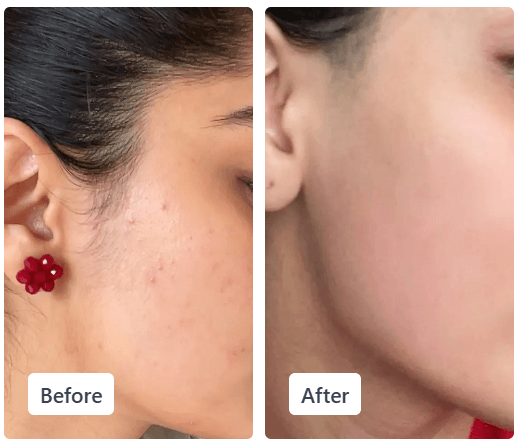
Frequently Asked Questions
Q: How to remove suntan from hands?
A: Apply broad-spectrum SPF 30+ sunscreen to your hands daily, reapply when outdoors, and wear protective clothing where practical. A gentle, suitable exfoliating product may also help improve uneven tone over time.
Q: How to remove hand tan?
A: Hand tan usually fades gradually when you reduce sun exposure. Keep your hands moisturised, use sunscreen consistently, and avoid harsh scrubbing or DIY remedies that can irritate your skin.
Q: How to remove skin tan?
A: You cannot safely remove a tan instantly. Consistent sun protection, gentle skin care, and suitable pigmentation-focused ingredients can help your skin gradually return towards its natural tone.
Q: How to remove neck tan?
A: Keep your neck moisturised and apply sunscreen every day. Avoid aggressive scrubbing or exfoliation and use physical protection when required. Seek dermatologist-guided treatment for a severe tan.
Q: How to remove tan naturally at home?
A: Sun protection, gentle cleansing, and moisturiser do most of the work. Mild remedies like aloe vera may add comfort, but there’s little proof they remove a tan. Patch-test any remedy first.
Q: Can home remedies help to remove tan?
A: Not reliably. Gentle ones like aloe vera may soothe skin, but there’s little proof any remedy removes a tan. Lemon juice, baking soda, and harsh scrubs can irritate skin and worsen dark marks.
References
- Brooke Schleehauf, Melasma: Self-care. American Academy of Dermatology. (2023)
- Paula Ludmann, M. How to fade dark spots in darker skin tones. American Academy of Dermatology. (2025)
- News Releases. The latest in sun protection. American Academy of Dermatology. (2022)
- Alpha Hydroxy Acids | FDA U.S. Food & Drug Administration (2022)
- Puvabanditsin P, Vongtongsri R. Efficacy of aloe vera cream in prevention and treatment of sunburn and suntan. J Med Assoc Thai. 2005 Sep;88 Suppl 4:S173-6. PMID: 16623024.
- Moy RL, Levenson C. Sandalwood Album Oil as a Botanical Therapeutic in Dermatology. J Clin Aesthet Dermatol. 2017 Oct;10(10):34-39. Epub 2017 Oct 1. PMID: 29344319; PMCID: PMC5749697.
- Singh R, Goyal S, Ahmed QR, Gupta N, Singh S. Effect of 82% Lactic Acid in Treatment of Melasma. Int Sch Res Notices. 2014 Jul 17;2014:407142. doi: 10.1155/2014/407142. PMID: 27355080; PMCID: PMC4897467.
- Sanadi RM, Deshmukh RS. The effect of Vitamin C on melanin pigmentation: A systematic review. J Oral Maxillofac Pathol. 2020 May-Aug;24(2):374-382. doi: 10.4103/jomfp.JOMFP_207_20. Epub 2020 Sep 9. PMID: 33456250; PMCID: PMC7802860.
- Layton AM, Dias da Rocha MA. Real-World Case Studies Showing the Effective Use of Azelaic Acid in the Treatment, and During the Maintenance Phase, of Adult Female Acne Patients. Clin Cosmet Investig Dermatol. 2023 Feb 24;16:515-527. doi: 10.2147/CCID.S396023. PMID: 36873659; PMCID: PMC9975535.
- Tsai TF, Bowman PH, Jee SH, Maibach HI. Effects of glycolic acid on light-induced skin pigmentation in Asian and caucasian subjects. J Am Acad Dermatol. 2000;43(2 Pt 1):238-243. doi:10.1067/mjd.2000.104894
- Wawrzyk-Bochenek I, Rahnama M, Stachura M, Wilczyński S, Wawrzyk A. Evaluation of the Reduction of Skin Hyperpigmentation Changes under the Influence of a Preparation Containing Kojic Acid Using Hyperspectral Imaging-Preliminary Study. J Clin Med. 2023 Apr 4;12(7):2710. doi: 10.3390/jcm12072710. PMID: 37048793; PMCID: PMC10094916.
- Callender VD, Baldwin H, Cook-Bolden FE, Alexis AF, Stein Gold L, Guenin E. Effects of Topical Retinoids on Acne and Post-inflammatory Hyperpigmentation in Patients with Skin of Color: A Clinical Review and Implications for Practice. Am J Clin Dermatol. 2022 Jan;23(1):69-81. doi: 10.1007/s40257-021-00643-2. Epub 2021 Nov 9. PMID: 34751927; PMCID: PMC8776661.
- Kornhauser A, Coelho SG, Hearing VJ. Effects of cosmetic formulations containing hydroxyacids on sun-exposed skin: current applications and future developments. Dermatol Res Pract. 2012;2012:710893. doi: 10.1155/2012/710893. Epub 2012 May 20. PMID: 22675344; PMCID: PMC3362829.
- Stapleton JL, Hillhouse J, Levonyan-Radloff K, Manne SL. Review of interventions to reduce ultraviolet tanning: Need for treatments targeting excessive tanning, an emerging addictive behavior. Psychol Addict Behav. 2017 Dec;31(8):962-978. doi: 10.1037/adb0000289. Epub 2017 Jun 22. PMID: 28639816; PMCID: PMC5714671.
- Holman DM, Fox KA, Glenn JD, Guy GP Jr, Watson M, Baker K, Cokkinides V, Gottlieb M, Lazovich D, Perna FM, Sampson BP, Seidenberg AB, Sinclair C, Geller AC. Strategies to reduce indoor tanning: current research gaps and future opportunities for prevention. Am J Prev Med. 2013 Jun;44(6):672-81. doi: 10.1016/j.amepre.2013.02.014. PMID: 23683986; PMCID: PMC4413462.
Disclaimer: This article is for general educational purposes and is not a substitute for personalised medical advice. Consult a qualified dermatologist if pigmentation is persistent, worsening, painful, itchy, scaly, or difficult to identify.
Editorial Standards
Clear Ritual has Strict sourcing guidelines to ensure our content is accurate and current. We rely on peer-reviewed studies, academic research institutions, and medical associations. We strive to use primary sources and refrain from using tertiary references. See a mistake? Learn More about our Editorial Standards.
Related Articles
Acne Pigmentation: Why Dark Marks Stay and How to Fade Them
Published 10 August 2026
Acne Scars vs Post-Inflammatory Hyperpigmentation: Explained
Published 17 July 2026
How to Remove Pigmentation from Face Permanently: A Complete Guide
Published 21 September 2026
Goodbye Dark Spots: The Power of Yashtimadhu in Treating Post-Acne Pigmentation
Published 16 July 2026