
Pimple on Forehead: Causes, Types and Treatment Options
Understand what causes forehead pimples, how to identify different types, and which skincare ingredients and habits can help clear them.
Read More

Results

Find out what your skin type really needs, whether it is oily, dry, combination or sensitive, and how to care for concerns beyond acne.
Understand what causes forehead pimples, how to identify different types, and which skincare ingredients and habits can help clear them.
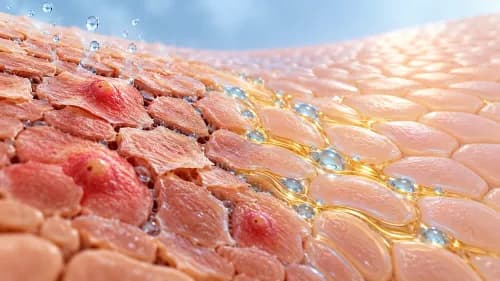
Skin barrier damage can increase dehydration, irritation, oil production and clogged pores, but gentle care may support recovery within four to six weeks.

Learn how to identify and treat small facial bumps caused by milia, closed comedones, folliculitis, fungal acne or irritation.
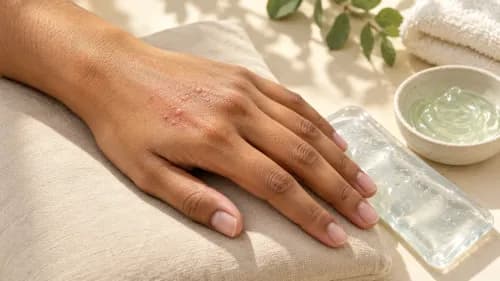
Small itchy bumps on the back of the hands may result from eczema, contact dermatitis, scabies, insect bites or fungal infections, with care depending on the cause.

Dehydrated skin may trigger compensatory oil, dead-cell buildup and clogged pores, causing pimples alongside dryness, tightness and flaking.

Understand how different skin types influence acne triggers, breakout patterns and the skincare approach your skin may require.

Forehead pimples commonly develop when oil and dead skin cells block hair follicles. Learn about their triggers, treatments, prevention and warning signs.

Learn how to brighten dull skin through gentle cleansing, hydration, suitable exfoliation, brightening ingredients, sun protection and healthy lifestyle habits.

Understand the common causes of dull skin, including dehydration, dead skin buildup, sun exposure, lifestyle habits and vitamin deficiencies.